AR-15 Grip Texture Explained: Side Panels, Front Strap and Backstrap
Share
Under recoil, during a fast reload or with wet or gloved hands, the only thing keeping the rifle planted is friction between your hand and the grip. That's why every Tapp Tactical grip is textured where your hand does the work, and smooth where it doesn't need to be.
Where the texture goes
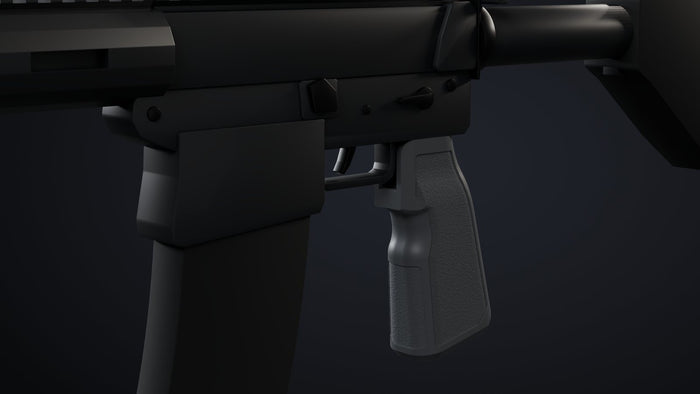
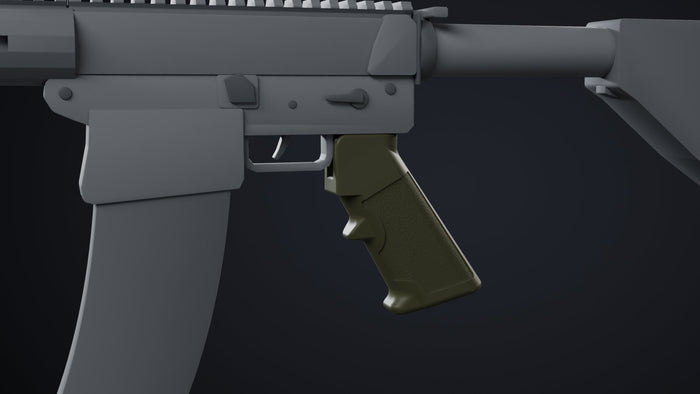
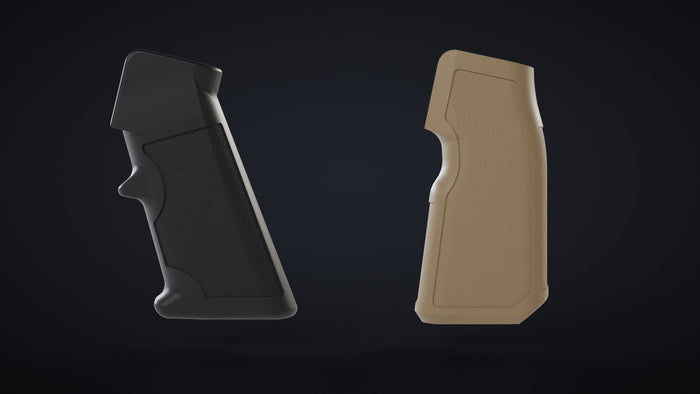
- Side panels. Your palm and thumb wrap the sides of the grip. Textured panels keep the rifle from rotating in your hand.
- Front strap. Your middle, ring and little fingers pull the grip rearward into your shoulder. Texture here lets them hold without squeezing harder.
- Backstrap. The web and heel of your hand press against the back of the grip. Texture keeps that contact consistent from shot to shot.
How aggressive is it?
There's a balance. Very aggressive stippling grabs well but can abrade skin and wear on gloves and clothing. Our texture is designed for a positive grip with or without gloves, without a sandpaper feel. The surrounding frame is vapor-polished smooth, so the edges stay comfortable.
Texture and finish
The texture is part of the grip's shape rather than a separate coating, and it's Cerakoted along with the rest of the grip, so it lasts the life of the grip in normal use. Vapor polishing takes the raw, sandy feel off the surface without erasing the texture. Read vapor polishing explained.
Solid or cutout?
Solid models carry a full textured side panel. On the cutout models, open windows take the place of those panels. See cutout vs solid grips.
Keeping it clean
Texture can hold dirt and carbon. Use a soft nylon brush with warm water and mild soap, rinse and let it dry. The full routine is in how to clean a Cerakote grip.
Made to order in the USA. Ships in 3–5 business days. Custom (“Other”) colors can add up to 10 business days.
Build your grip or read the AR-15 grip buying guide.